Every October, somewhere on the loop of streets between Plantation Drive and the pool house, a folding table gets set up with a crockpot on it and a sign-up sheet taped to the side. Bratwursts go on the grill around one o'clock. A neighbor sets up the cornhole boards. Someone hauls out a long wooden peg log and a set of hammers for Hammerschlagen, the German nail-driving game that has become, without anyone officially deciding it should, the thing everyone tries and almost nobody wins on the first swing. Two streets over, a framing crew is still nailing sheathing onto a house that won't have a name until closing. Both things are true of Winston Ridge on the same Saturday afternoon, and neither one shows up on the builder's feature sheet.
That's the gap worth paying attention to. Every listing description of this neighborhood, from the builder's own site to the aggregators that scrape it, reads roughly the same: two pools, a clubhouse, a playground, tree-lined streets, a quick run to US-1. All true. None of it explains what actually organizes daily life here. That comes from a volunteer calendar most outside descriptions never mention, because it isn't a feature of the houses. It's a habit of the people who live in them.
The List Every Builder Site Repeats
Search around for Winston Ridge and you'll find the same paragraph with minor edits, community after community page: two neighborhood pools, a clubhouse, a pavilion, a playground and open play space, all within a short drive of Wake Forest. It's accurate. It's also where most descriptions of the neighborhood stop, which is a little strange given how much of the community's actual texture happens in the gap between "the amenity exists" and "the amenity gets used."
Here's a small but telling wrinkle. Some listing aggregators still describe the second pool and clubhouse as future additions, phrased as amenities still to come. Newer builder pages already count both as existing and in daily use. That inconsistency isn't a data error so much as a snapshot problem: aggregator copy tends to freeze whatever was true when it was last scraped, while the neighborhood itself kept building.
| What some listing pages still say | What residents actually have |
|---|---|
| "Featuring a pool and pavilion, with future amenities including an additional pool, clubhouse, and open play space" | Two pools and a clubhouse, both already part of the weekly rotation |
The physical build-out matters less here than what it signals: Winston Ridge has been adding infrastructure in phases since it broke ground back in 2007, and the amenities have scaled alongside the construction. But infrastructure sitting empty doesn't make a neighborhood feel like anything. What fills it is a separate, mostly invisible layer of organization that nobody selling a house has much reason to describe.
Who's Actually Behind The Calendar
That layer has a name, or rather several names, all volunteer-run and all listed on the community's own HOA site rather than on any real estate page:
- The HOA Board, which sets budget and policy for the whole community
- The Architectural Review Committee (ARC), which reviews any exterior change, fence, addition, paint color, before it happens, regardless of whether the house is from the original 2007 phase or the newest Mungo Homes section still selling
- The Social Committee, which plans and staffs the recurring events, including the fall Oktoberfest and chili cook-off
- The Garden Club, which runs its own monthly meetings and organizes an annual Parade of Gardens
A professional management company, Elite Property Management, handles the administrative side, but the actual programming, the block parties, the Bunco nights, the Mahjong tables, the storytime sessions, the CPR/AED training sessions, a Veterans Group presentation on cyber and physical security, all of it comes from residents who decided to run it themselves. None of that shows up in a square footage listing. All of it is why the pool schedule feels different from a hotel pool schedule, and why the clubhouse gets used for more than the occasional birthday party rental.
The Saturday In October That Isn't On Any Listing
The clearest example is the fall event itself. It doesn't land on the same date every year, past versions have run as early as the first Saturday of October and as late as the third, but the shape of it repeats: a costume contest, a photo booth, a puppet show for the youngest kids, a cornhole tournament, Hammerschlagen for the adults willing to risk a bruised thumb, and a 50/50 raffle that gets passed around as the afternoon winds down. Families sign up ahead of time to bring a dish, brats and condiments are handled centrally, and the whole thing runs on a rain date in case the weather doesn't cooperate.
None of that is written into anyone's mortgage. It's organized fresh every year by neighbors who volunteer for the Social Committee, funded in part by that raffle, and it happens whether or not a given household bought their home last spring or has lived here since the neighborhood's first phase went in. That's a different kind of amenity than a chlorinated pool. It has to be renewed by people, every single year, or it stops existing.
Older Hydrangeas Two Streets From Wet Concrete
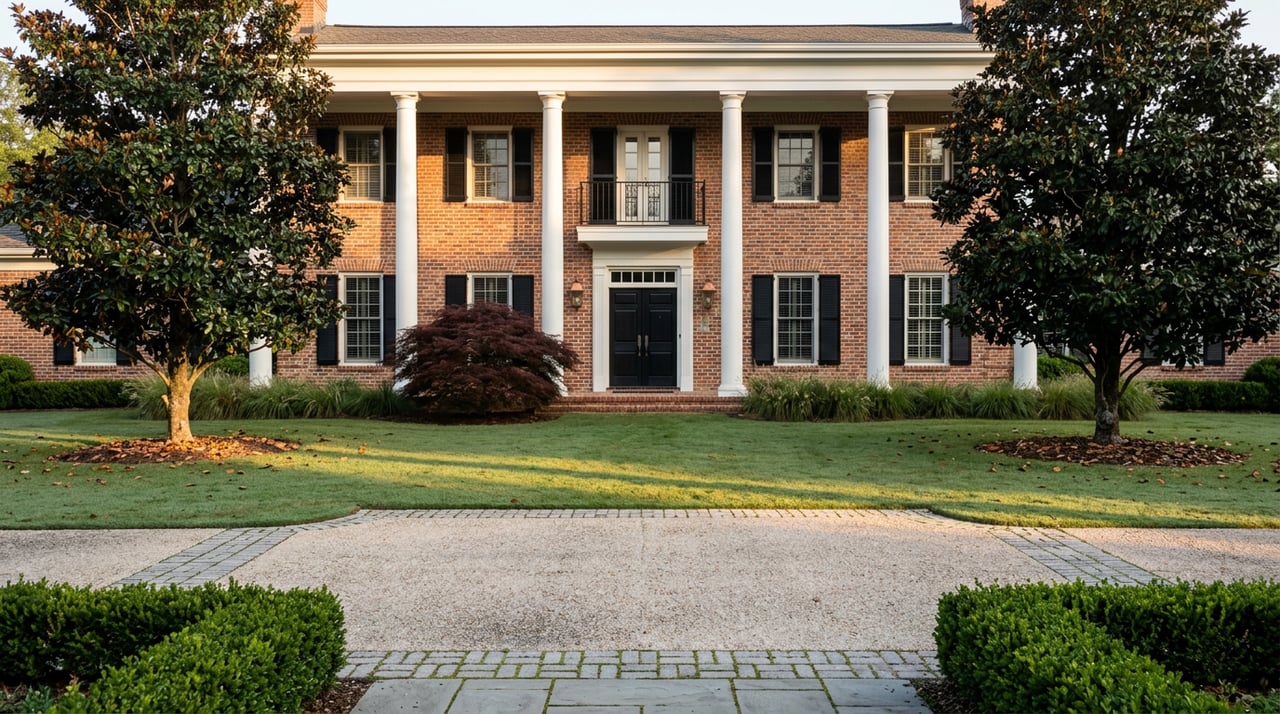
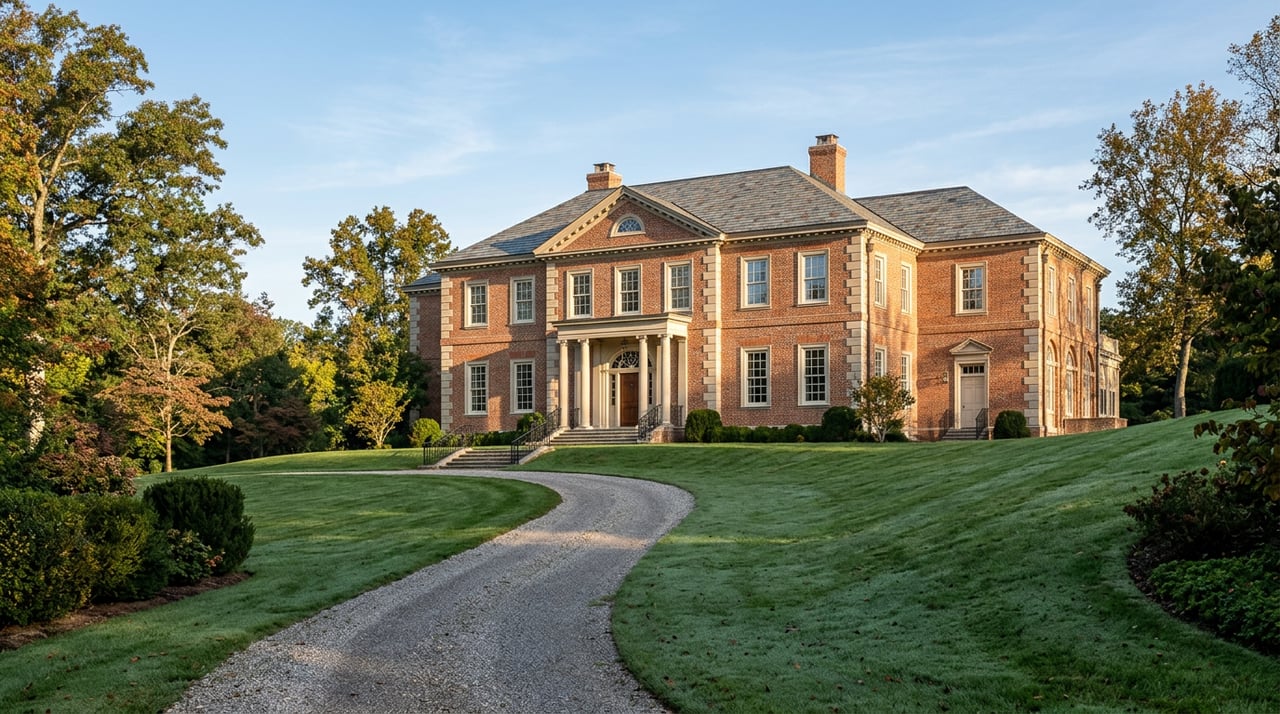
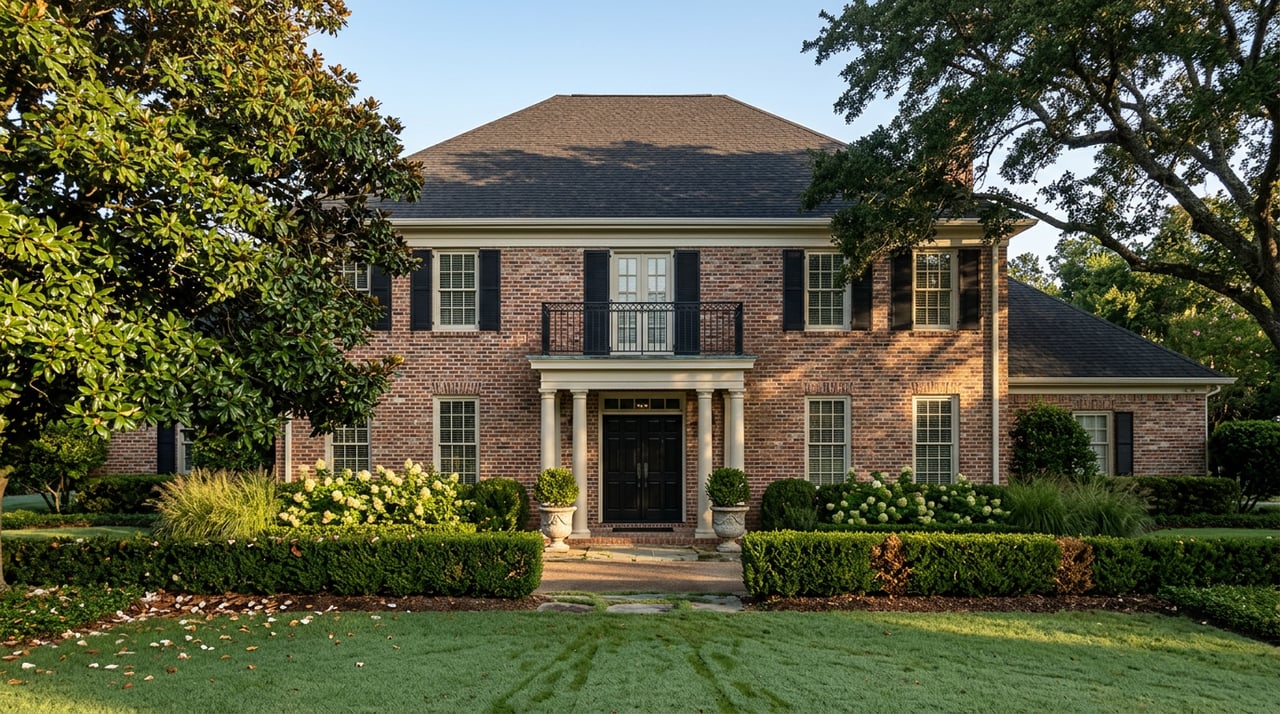
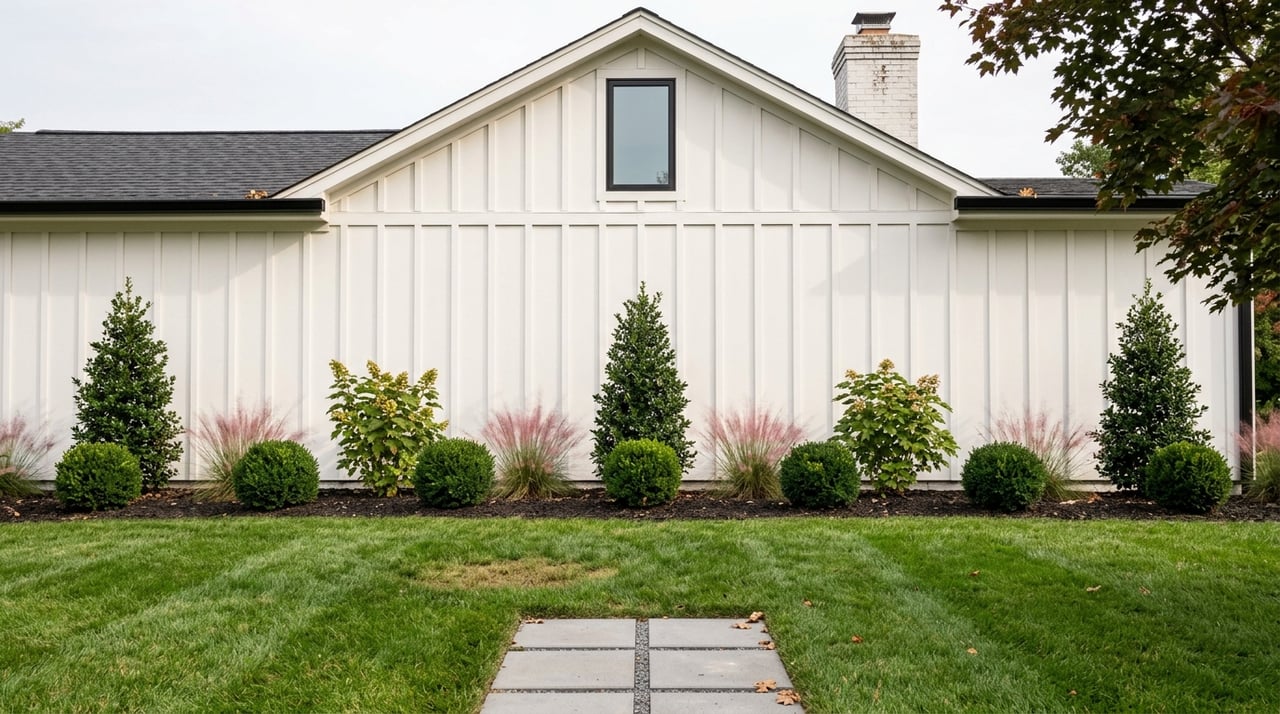
The Garden Club's Parade of Gardens makes the neighborhood's split personality even more visible. Residents sign up to include their own yards in a self-guided tour, and the contrast between stops can be sharp: a mature bed of hydrangeas and clipped boxwood that's had nearly two decades to fill in, three doors down from a yard that's still mostly sod and stakes because the house closed within the year. Winston Ridge has been building in phases since 2007, and Mungo Homes has continued adding new sections even as older streets have settled into a version of themselves that looks nothing like the construction photos.
What ties the two together isn't age. It's that both fall under the same Architectural Review Committee, follow the same covenant standards, and get invited to the same Parade of Gardens sign-up sheet regardless of how long the paint has been dry. A garden two decades old and a foundation planting installed last spring are governed by the same document and welcomed into the same walking tour. That's not a builder amenity. It's closer to civic infrastructure, built by residents rather than a construction crew, and it's the actual reason the older and newer sections of Winston Ridge read as one neighborhood instead of two.
If there's a single thing worth knowing about Winston Ridge that no builder page or listing aggregator captures, it's this: the pools and the clubhouse are the setting, but the Social Committee, the Garden Club, and the ARC are the plot. A neighborhood that's still actively adding new construction nearly two decades after breaking ground needs some mechanism to keep the old and new parts feeling like the same place. Here, that mechanism runs on volunteer hours, a raffle jar, and a sign-up sheet, not on square footage.
If you're already part of that Saturday afternoon crowd, or you're watching from just outside wondering what a Winston Ridge home would actually cost you to buy into that calendar, Christy Stanley can walk you through what the market looks like right now, phase by phase, street by street. Request a free home valuation and find out what your equity looks like after a summer of pool days and ARC-approved paint jobs.