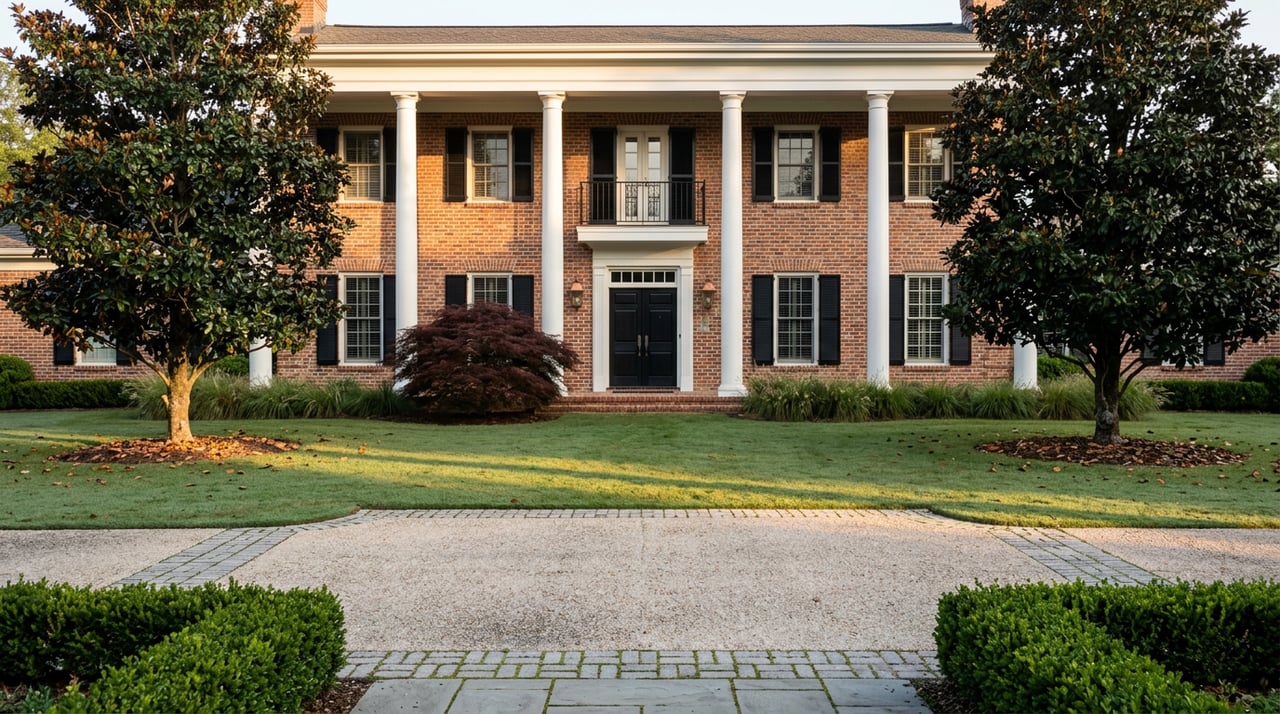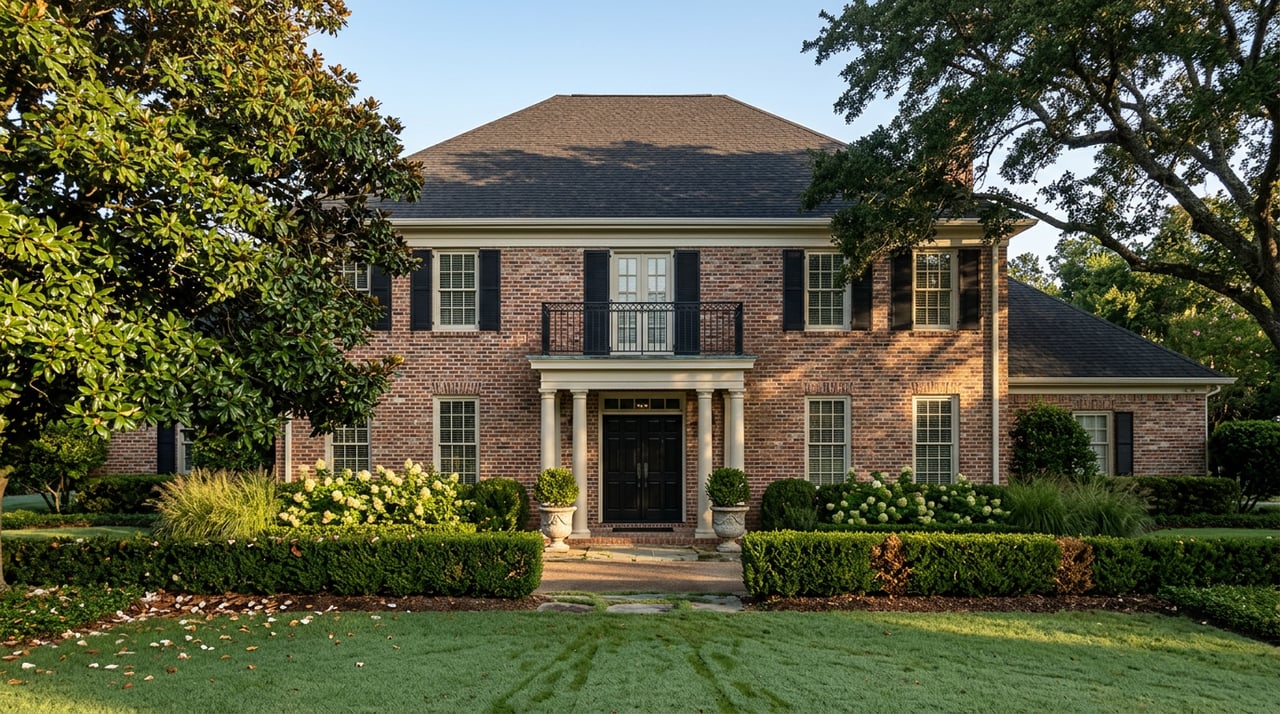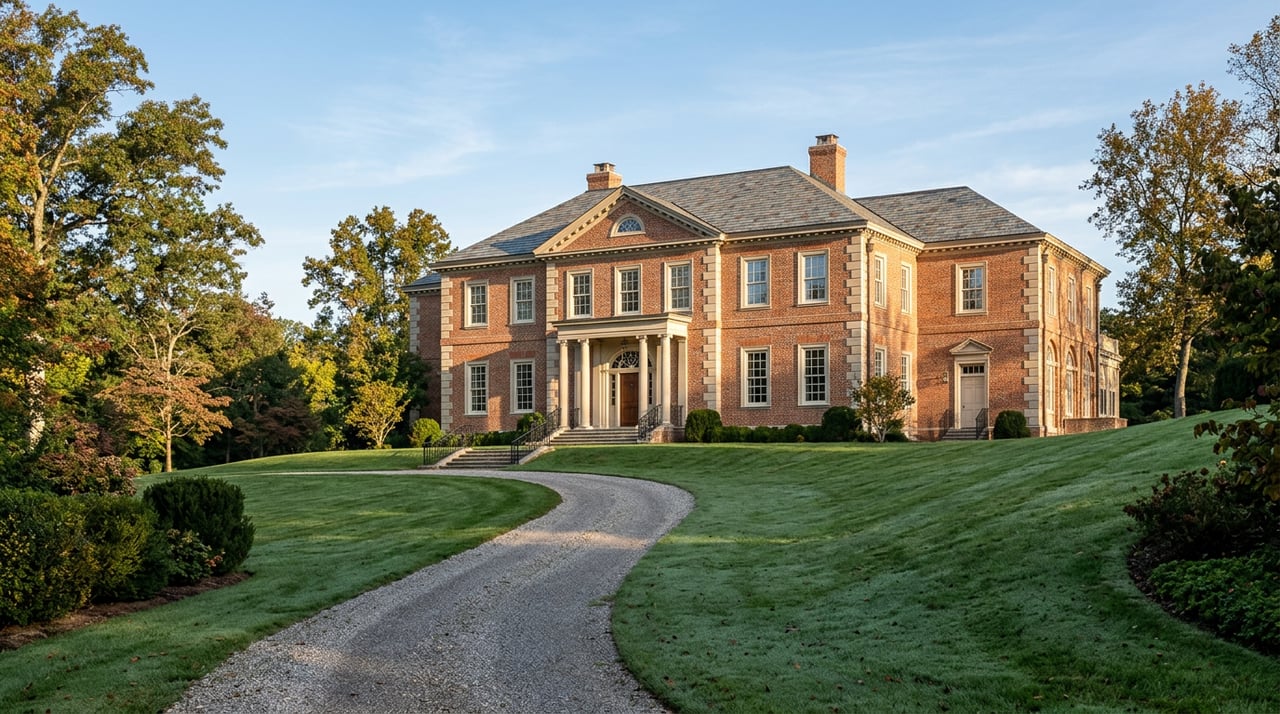
Somewhere in a Franklin County file sits a piece of paper that decides how many bedrooms your Hidden Lake home is legally allowed to have. It was filed when the house was built, or the last time the septic system was permitted, and it has nothing to do with what your listing photos show or what your appraiser counts on a walkthrough. It is the septic Operation Permit, and on well-and-septic lots like the ones spread across Hidden Lake's one-to-six-acre homesites, that permit outranks everything else in the file.
Most sellers never see it until someone else pulls it. Usually that's a certified inspector standing in the driveway with a clipboard, days before closing, cross-checking the bedroom count on the permit against the bedroom count in the listing. By then the deal is already moving and there's no good time to discover the county thinks the house has one fewer bedroom than the buyer thinks they're purchasing.
The Permit Was Never Built to Update Itself
North Carolina sizes a septic drain field based on bedroom count, because bedrooms are the state's proxy for how much wastewater a home is expected to produce. Franklin County Environmental Health issues and holds those permits, and the number on file gets locked in at construction or at the last septic recheck, not the day a homeowner finishes a room.
Hidden Lake's homesites run one to six acres by design, sitting in unincorporated Franklin County outside town water and sewer lines. Lots that size are exactly where private well and septic carry the infrastructure load instead of a municipal system, which means the septic permit here isn't a footnote in the closing file. It's load-bearing paperwork.
The county doesn't send a reminder when a homeowner changes what a room is used for. That's the gap this whole issue lives in.
Where Renovation Meets the Permit
A common value-add move before listing is converting a home office, a bonus room over the garage, or an unfinished flex space into a fourth or fifth bedroom, because buyers pay for bedrooms. That's a sound renovation decision for resale value. It just doesn't touch the septic permit unless someone specifically files to update it.
North Carolina's point-of-sale disclosure rule closes that gap at the worst possible moment in a transaction, not the best one.
North Carolina brokers must confirm that a home's bedroom count matches the septic permit on file with the county, and include a copy of that permit in the MLS listing.
If a seller added a bedroom without an updated permit, the mismatch doesn't stay quiet. It becomes part of the record the buyer's side is required to check.
What a Point-of-Sale Inspection Actually Checks
Since 2008, only inspectors certified through the NC On-Site Wastewater Contractors and Inspectors Certification Board can legally perform a point-of-sale septic inspection in this state. That's a different credential than the technician who pumped your tank last spring.
| What the inspector checks | What it catches |
|---|---|
| Permit verification | Bedroom count on file versus bedrooms in the home |
| Tank condition | Structural integrity, baffles, lids, risers |
| Sludge and scum levels | Whether the tank needs pumping before closing |
| Effluent filter | Clogging, required on all NC systems since 1999 |
| Drain field performance | Standing water, surfacing effluent, soggy ground |
Permit verification sits at the top of that list for a reason. It's the item most sellers never think about until it's already flagged on a report someone else is holding.
Franklin County keeps its septic and well records in an online portal, and here's the detail that catches longtime owners off guard: the searchable database only goes back to 2018. If your home or its septic system predates that, the county doesn't have it indexed online. Getting a copy means filing a records request and waiting on staff to pull the paper file, which is not something you want to discover for the first time during a ten-day due diligence window.
The Cost of Finding Out Late
A straightforward pump-out in Franklin County runs roughly $300 to $600, and a standard point-of-sale inspection takes about 90 minutes to two hours. On their own, those numbers are manageable. They stop being manageable when they surface after a due diligence clock has already started, because a bedroom-count mismatch isn't something you fix by writing a check.
If the fix requires expanding the drain field to match a permit for four bedrooms instead of three, that means a new soil evaluation and a new site plan. In Franklin County's clay-heavy Piedmont soils, that can mean the difference between a simple gravity system and an engineered alternative system, which costs meaningfully more and takes longer than most closing calendars allow.
That's the actual argument for running this check before the sign goes in the yard rather than after an offer arrives.
A Pre-Listing Checklist Worth Ten Minutes
- Pull your septic Operation Permit from Franklin County's records now. If it was issued or last updated after 2018, it should be searchable in the county's online portal. If it predates that, submit the records request before you list, not during due diligence.
- Count the bedrooms the permit allows and compare them to the bedrooms you're marketing. If a bonus room, office, or flex space became a bedroom after that permit was issued, the numbers may not match.
- Pump the tank if it hasn't happened in the last two to three years. Inspectors note sludge levels, and a recently pumped tank reads cleaner on the report.
- Clear access to the tank lids before anyone arrives. Buried lids mean extra time and extra cost on the invoice.
- Schedule the inspection with an NCOWCICB-certified inspector early in your listing timeline, not as a due diligence deadline scramble.
None of this makes a Hidden Lake home less valuable. A legally documented fourth bedroom is worth real money to the right buyer, and that's exactly why it's worth confirming the permit agrees with the listing before a buyer's inspector reads the file first. The renovation adds value. The paperwork just has to keep up with it.
A Few Questions Worth Asking First
Does Hidden Lake run on county water and sewer? No municipal sewer serves this part of unincorporated Franklin County. Homes on these one-to-six-acre lots typically run on private well and septic, which is why the permit question applies here more directly than it would in a neighborhood tied into town utilities.
What if my septic permit predates 2018? Franklin County's online database only goes back that far. Anything older requires a direct request to the Environmental Health office and some lead time, so start that process before you're working against a due diligence deadline.
Does adding a bathroom trigger the same review? The rule is tied to bedroom count, not bathroom count, since bedrooms are the state's measure of expected wastewater flow. A bathroom addition on its own generally doesn't require a new septic permit, but any renovation that changes bedroom count should prompt a permit check regardless of what started the project.
If you're weighing a bonus-room conversion before listing at Hidden Lake, or you just want to know what your permit actually says before a buyer's inspector finds out first, Christy Stanley can walk the file with you and build a listing timeline that accounts for it. Request a Free Home Valuation and let's get the paperwork settled before the sign goes in the yard.