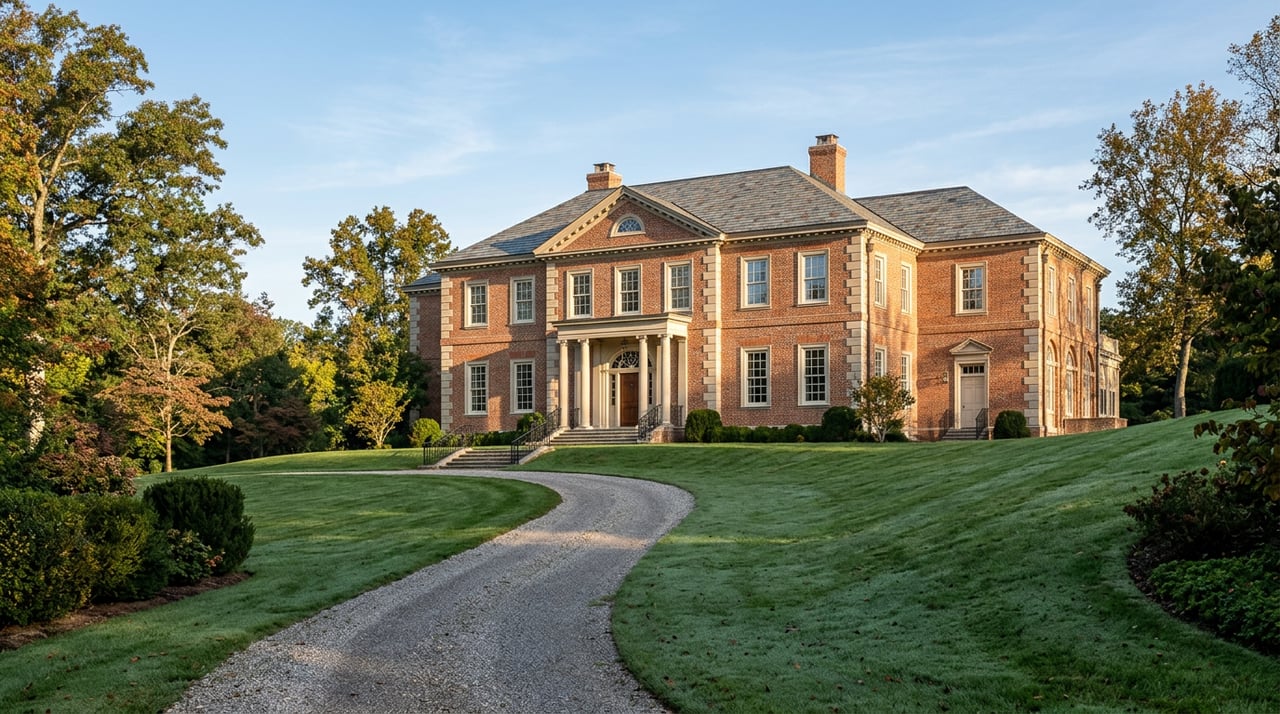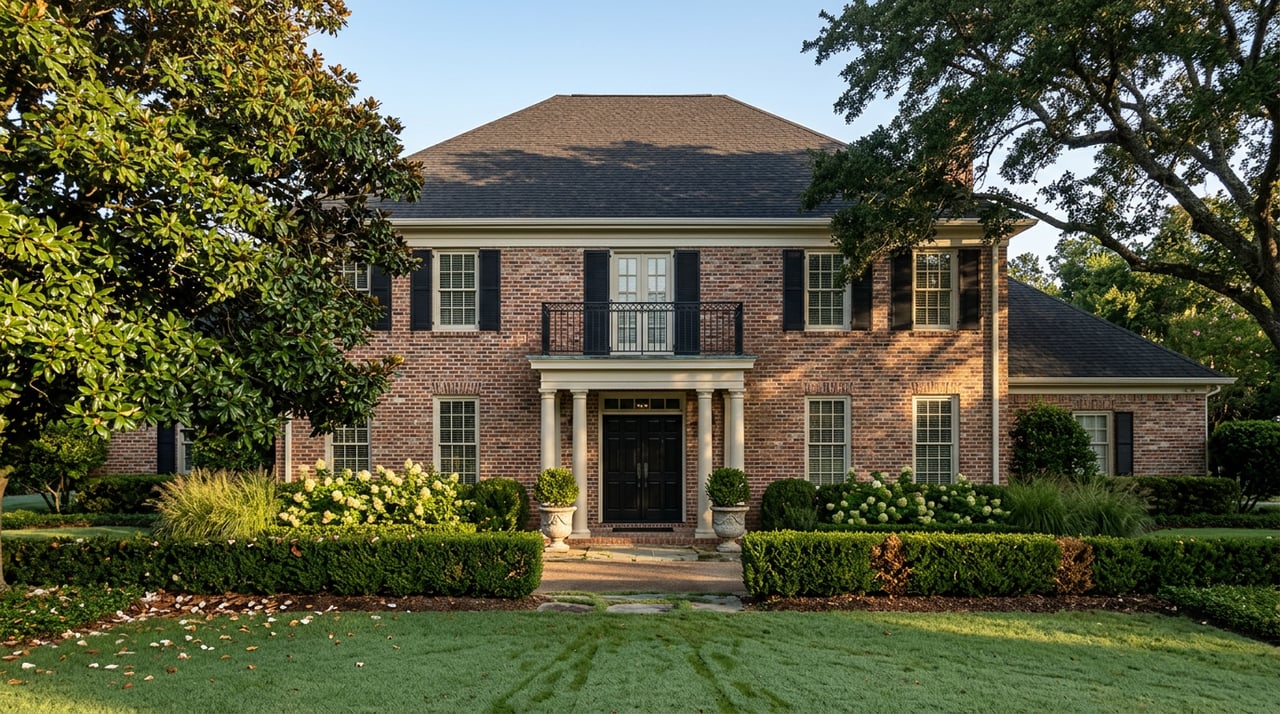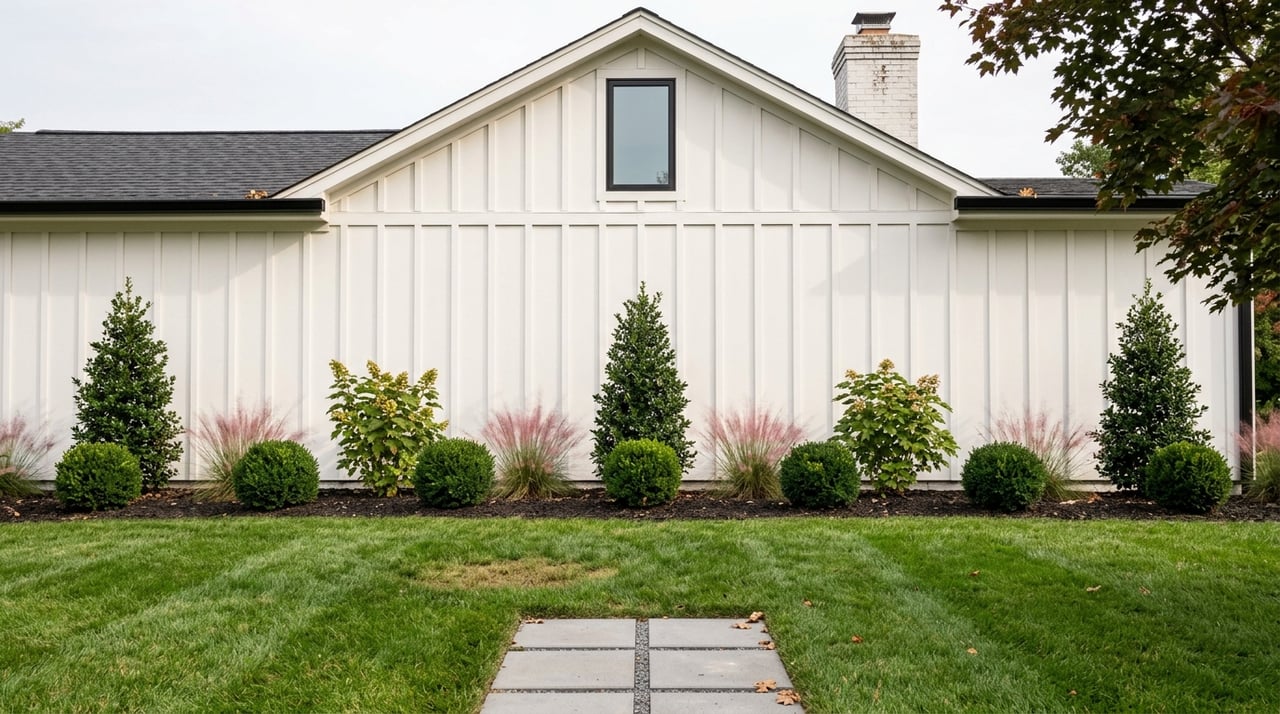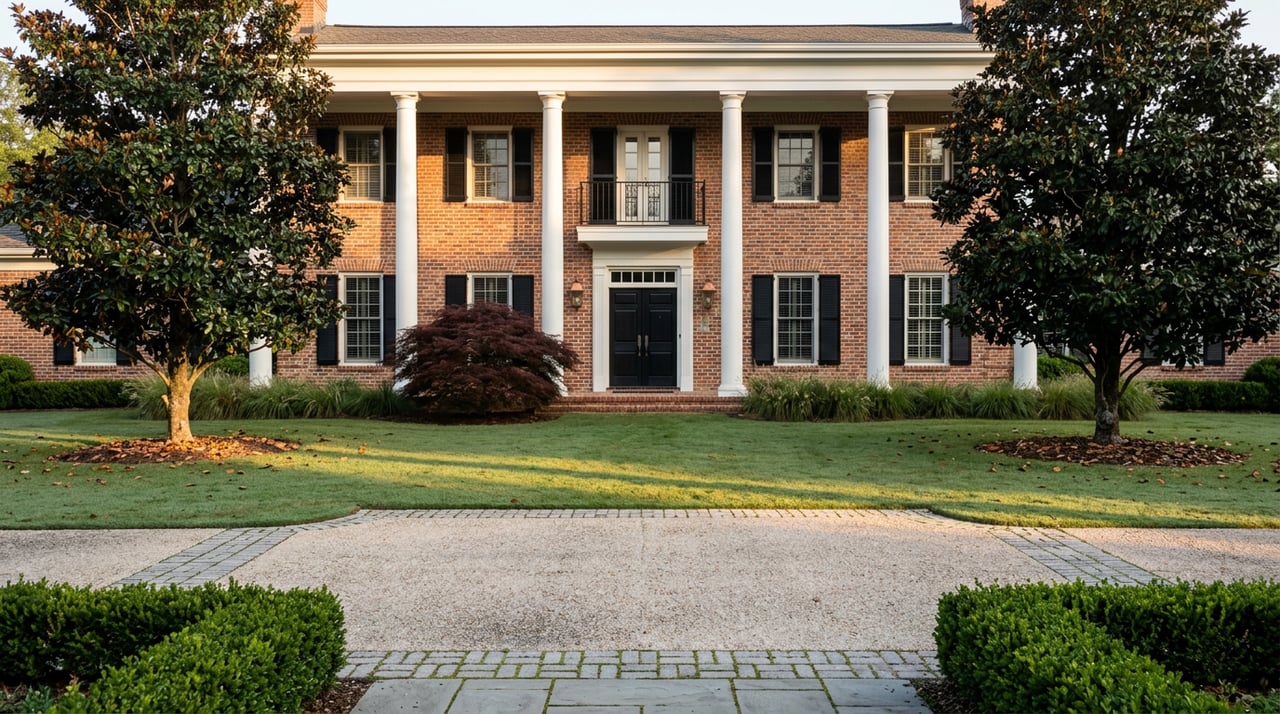
A buyer touring Hidden Lake for the first time sees the gate, the 75-acre lake, the boathouse and dock, the kayaks lined up for residents, and reads all of it as one word: taken care of. That word does a lot of work in a gated community. It quietly answers a question most buyers never think to ask out loud, which is who actually owns the street under their tires once they're past the entrance. In most of Franklin County, that answer is the county. Inside Hidden Lake's gate, it almost certainly is not.
This matters more at Hidden Lake than it would in a typical publicly platted subdivision, because Hidden Lake is not one uniform amenity package. It is a shared name and a shared entrance lake wrapped around a patchwork of builder-run sections, at least one of which, The Enclave at Hidden Lake, operates its own separate gated entry, its own fee schedule, and its own amenity list entirely apart from the rest of the community. A buyer comparing a resale in the community's original custom-home section against a new build in that 55-plus section is comparing two different answers to the same question: who pays when the pavement needs work.
What "Gated" Actually Means on a Deed
North Carolina roads fall into one of two buckets. Public roads are accepted into the state system and maintained by NCDOT. Private roads are not, and responsibility for keeping them driveable sits with the people who live along them, structured one of two ways: through an HOA that budgets for road maintenance out of dues, or through a recorded private road maintenance agreement among the homeowners on that specific stretch. Even when an HOA does budget for it, routine dues rarely cover a full repaving. Asphalt has a service life, and when it runs out, the fix tends to arrive as a special assessment layered on top of whatever residents already pay monthly or quarterly, because resurfacing a private road is a lumpy, once-a-decade-or-more cost, not a line item that fits neatly into a predictable annual budget.
A gated entrance is one of the clearest signals that a community sits on the private side of that line. Hidden Lake's marketing across every builder active there, from Poythress Construction to Eastwood Homes, describes the same thing: a gated community built around a private lake, with private amenities that only residents and their guests can reach. Gated means privately governed, and privately governed means the residents, not Franklin County, are the ones ultimately responsible for the asphalt.
One Name, Different Rules
Builder pages for Hidden Lake date back to at least 2017, which puts the community's build-out at close to a decade and counting. Over that stretch, more than half a dozen builders have put homes on the ground there, including Ken Harvey Homes, Poythress Construction, Eastwood Homes, Brandywine Homes, Oak and Stone Custom Homes, and Braswell Homes. Eastwood Homes alone operates two distinct sections under the Hidden Lake name: Hidden Lake Estates, a standard section with homesites up to an acre, and The Enclave at Hidden Lake, an age-restricted 55-plus section with its own gated entrance, its own pool and clubhouse, and its own pickleball court, separate from the boathouse and dock the rest of the community shares.
Those two sections do not share a fee structure. Here is how the disclosed numbers break down:
| Section | Typical price range | HOA dues | What the fee is tied to |
|---|---|---|---|
| Hidden Lake (original, custom-built section) | roughly $900K to $1.5M+ | about $750 per quarter (~$3,000/year) | shared lake, clubhouse, boathouse, common areas |
| Hidden Lake Estates (Eastwood Homes) | roughly $780K to $880K | about $750 per quarter (~$3,000/year) | shared lake, clubhouse, boathouse, common areas |
| The Enclave at Hidden Lake (Eastwood Homes, 55+) | roughly $485K to $500K | about $300 per month (~$3,600/year) | lawn and grounds maintenance, separate pool, clubhouse, pickleball court |
Two things stand out. The Enclave's due is higher in raw dollars, but it is explicitly tied to lawn and grounds upkeep for a maintenance-included lifestyle product, not to the kind of shared infrastructure that includes roads. The original Hidden Lake section and Hidden Lake Estates carry an identical quarterly figure, but that number alone doesn't tell a buyer whether road resurfacing sits inside that $750 or is treated as a future special assessment on top of it. A due of the same size can mean two very different levels of paving reserve depending on how the association's budget is actually built, and that detail lives in the HOA's financials, not in its marketing.
Why the Decade of Build-Out Matters
A community built out gradually over close to ten years does not age evenly. The original custom-home streets, the ones that have carried construction traffic, moving trucks, and daily use since the earliest phases, are considerably closer to needing their first major resurfacing than a street poured for a section still selling new construction in 2026, like current phases of The Enclave. That gap is invisible on a listing sheet. It shows up only in the association's reserve study, if one exists, and in how specifically the HOA documents define who is financially on the hook for which stretch of pavement.
This is the actual comparison a buyer choosing between an older resale lot and a newer construction lot inside the same gated community needs to make, and it has nothing to do with square footage or finish level. It has to do with how many years of wear sit under a given section's HOA reserve fund, and whether that fund was built with resurfacing in mind from the start or is playing catch-up.
What to Ask Before You Write an Offer
A few questions, asked before a contract goes in rather than after closing, do most of the work here:
- Which specific HOA or POA governs this lot: the original Hidden Lake association, Hidden Lake Estates, or The Enclave? Dues and inclusions are not interchangeable across the three.
- Does the association maintain the roads directly through dues, or is there a separate recorded private road maintenance agreement covering this street specifically?
- Is there a reserve study, and does it list road resurfacing as a funded line item, or is it silent on pavement entirely?
- How old is the actual pavement on this street, not just the neighborhood's overall age? Original-phase streets and current-phase streets are not the same age even though they share one gate.
- Has the association levied a special assessment for roads before, and if so, when and for how much?
Every one of these answers should be sitting in the HOA disclosure packet that comes with a resale contract in North Carolina, or available on request from whichever builder is still selling in an active section. None of it requires guesswork. It just requires asking before the due diligence period closes rather than after the first assessment notice arrives.
A Few Questions Worth Settling
Does a higher monthly due mean better-funded roads? Not automatically. The Enclave's $300 monthly figure is earmarked for lawn and grounds maintenance as part of its low-maintenance lifestyle product, which is a different budget category than shared road infrastructure. A bigger number doesn't tell you what it's actually funding until you see the line items.
Is this specific to Hidden Lake, or true of gated communities generally? It's the standard framework for any private-road community in North Carolina. Hidden Lake is simply a useful example because it has multiple named, separately governed sections with publicly disclosed fee differences, which makes the comparison concrete instead of hypothetical.
Where does a buyer actually find this information? In the HOA disclosure packet attached to a resale contract, or by asking directly for the current reserve study and any recorded road maintenance agreement before writing an offer on new construction.
A gate is a real amenity. It controls who drives past the entrance sign. It says nothing about who signs the check when the pavement behind it needs replacing, and at a community built in phases over most of a decade by more than half a dozen different builders, that answer is not the same from one section to the next. Worth asking before the offer, not after the assessment.
If you're weighing a resale against new construction inside Hidden Lake, or comparing it to another gated Franklin County community altogether, Christy Stanley can walk through the HOA documents section by section before you write anything. Request a Free Home Valuation to start that conversation.